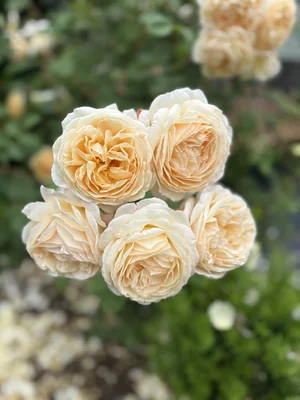
A Dedicated Tea Garden Is Just the Beginning
Every home I've ever lived in has started the same way: with herbs.
Long before the perennial borders were established or the roses had settled in, there was always thyme, rosemary, oregano, sage, and tarragon growing somewhere close to the kitchen. I cook with them constantly, and I can't imagine a garden without them.
Over time, though, I realized I wanted to grow another collection of herbs—ones I could harvest specifically for tea.
That probably wouldn't have happened if I hadn't gotten COVID several years ago. For months afterward, my sense of smell and taste were completely altered. Coffee, which I had always loved, no longer tasted right, and many familiar foods smelled or tasted completely different. Tea became one of the few things I genuinely enjoyed drinking.
As I recovered, I began buying herbal tea blends from a local grower. Around the same time, a friend of mine discovered a love of tea as well. Before long, I found myself paying closer attention to the herbs in those blends and wondering why I wasn't growing more of them myself.
A dedicated tea garden felt like the next natural step.
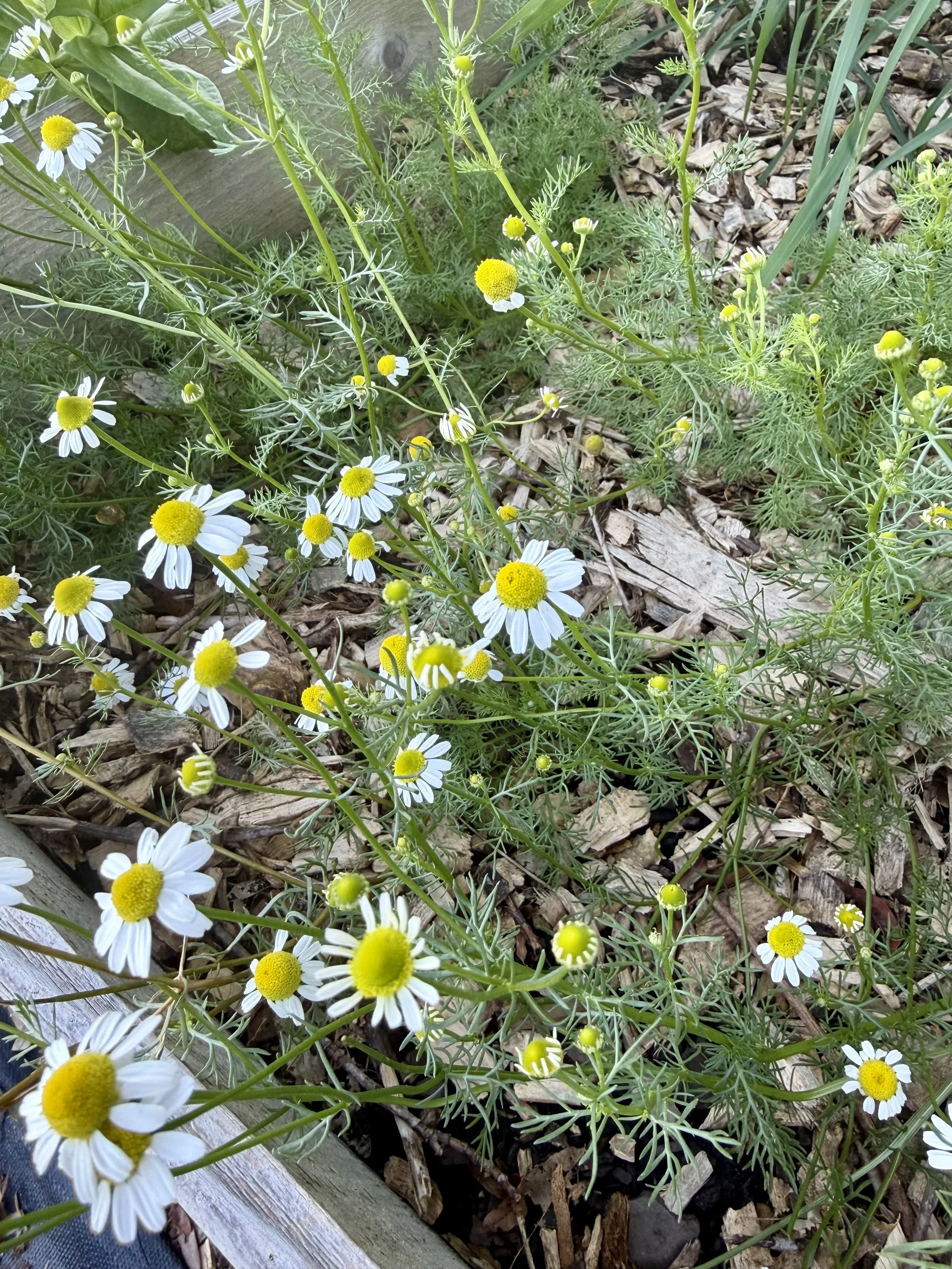
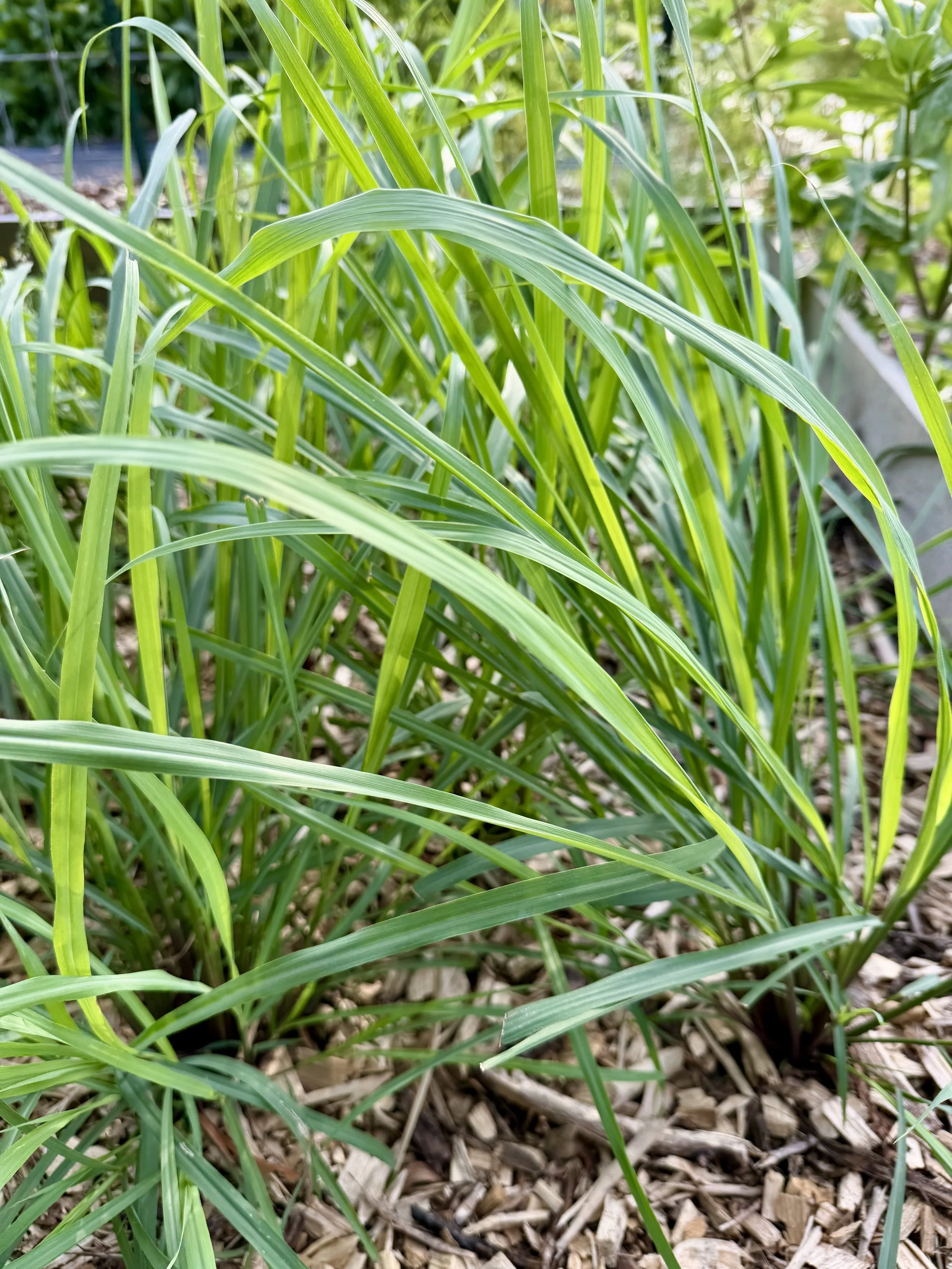
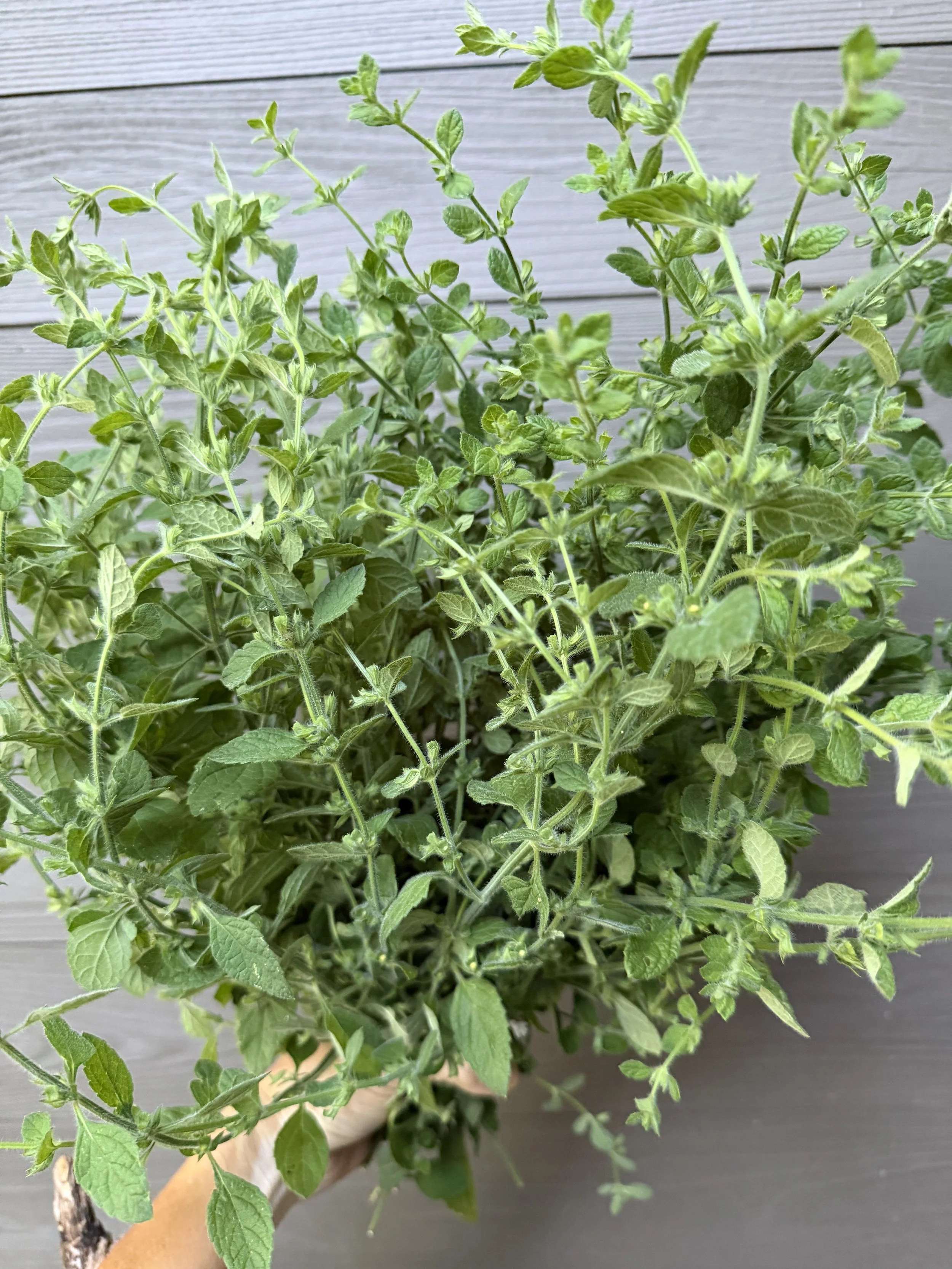
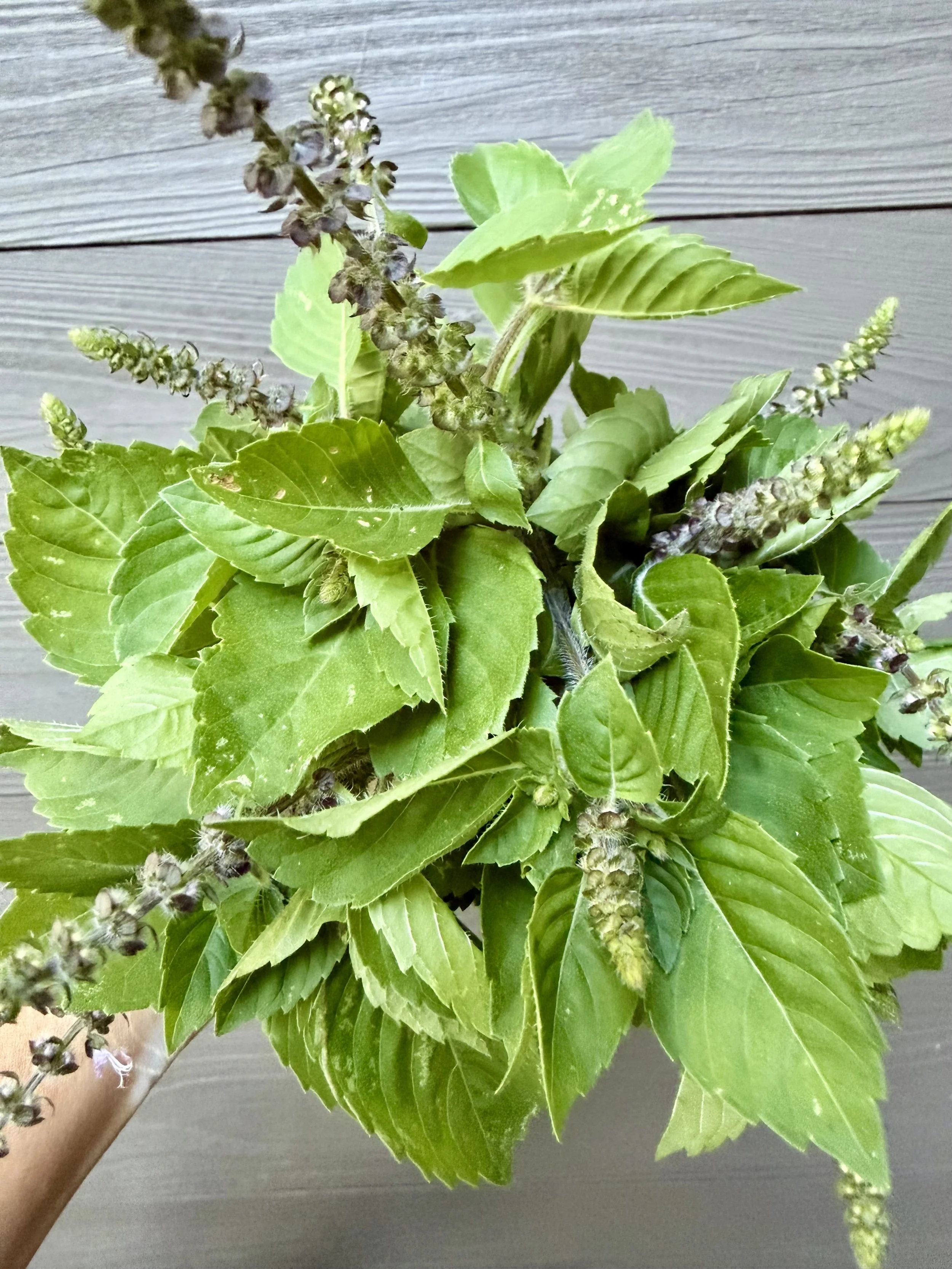
Unlike my culinary herbs, which are scattered throughout the garden wherever they grow best, I wanted my tea herbs gathered together in one small space. A place where I could step outside with a basket or a pair of snips and gather most of what I needed for a pot of tea.
There's something deeply satisfying about that kind of convenience.
The plants themselves are beautiful.
Lemongrass catches every breeze. Chamomile dots the garden with flowers that look like tiny daisies. Lemon balm softens the edges of the bed. Mint spills happily from a container—because, as every gardener eventually learns, mint belongs in a pot unless you're prepared to share your entire garden with it.
Each plant earns its keep in more than one way.
Mint finds its way into iced drinks on a hot afternoon before it's ever dried for tea. Lemongrass moves just as easily from the drying rack into soups, curries, and other dishes. Many of these herbs have long traditions far beyond tea, finding their way into infused vinegars, oxymels, syrups, oils, and countless other preparations. Tea simply happens to be the easiest—and perhaps the most approachable—place to begin.
Harvesting them is only half the pleasure.
Much of my drying happens on flat drying racks in the laundry room, and every time I open the door, the fragrance changes depending on what's hanging there. Some weeks it's holy basil and lemongrass. Other times it's chamomile, culinary lavender, or bright orange calendula petals. The room becomes part pantry, part apothecary, and it's one of my favorite small rituals of the season.
That's really why I planted a tea garden.
Not simply for tea, but because growing herbs invites you to use them. It encourages you to notice them, harvest them, dry them, cook with them, and slowly discover the many ways plants have connected gardens and homes for generations.
A dedicated tea garden just happens to be where I'm beginning.