
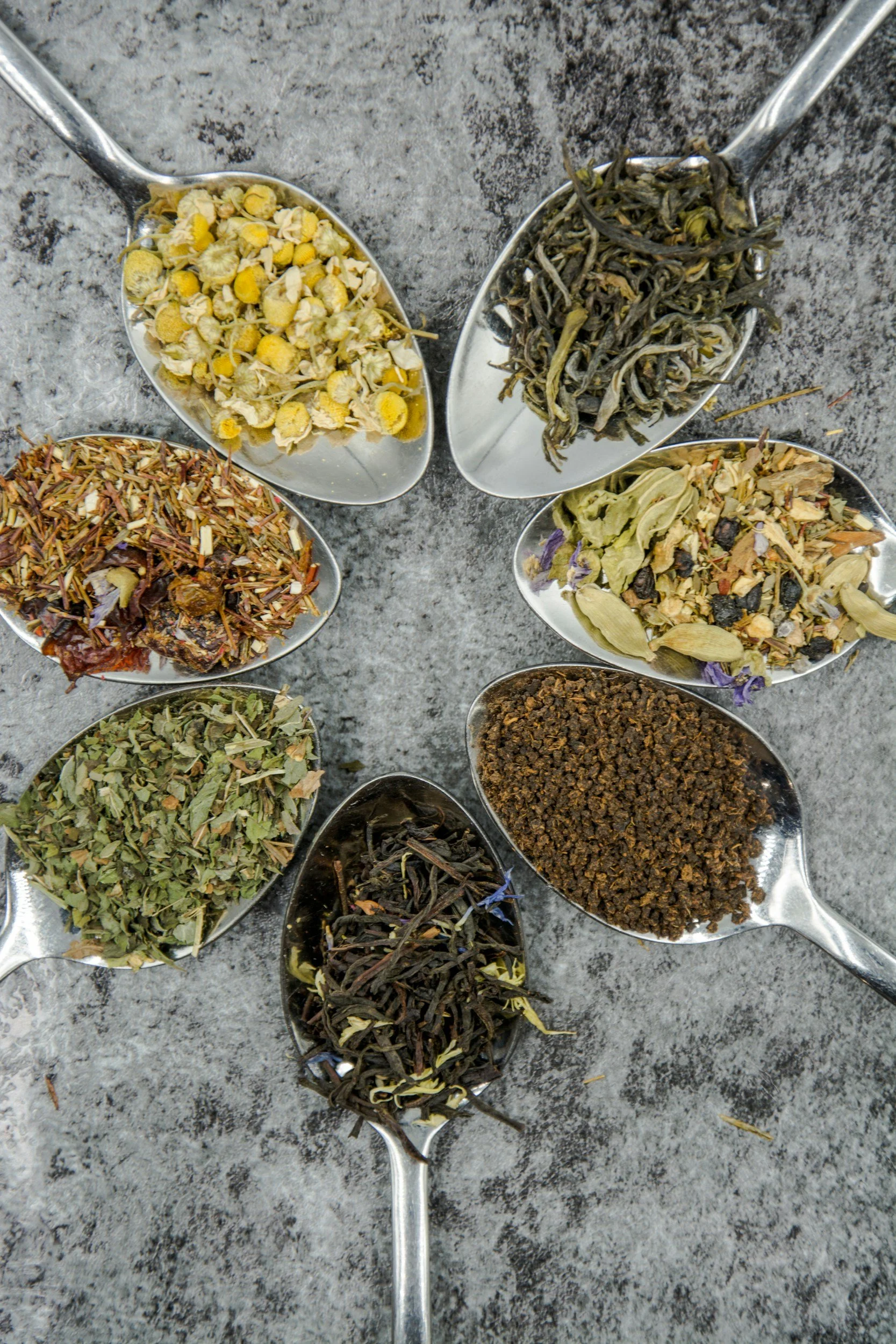
The Tea Garden Collection
Herbs for healing and restoration.
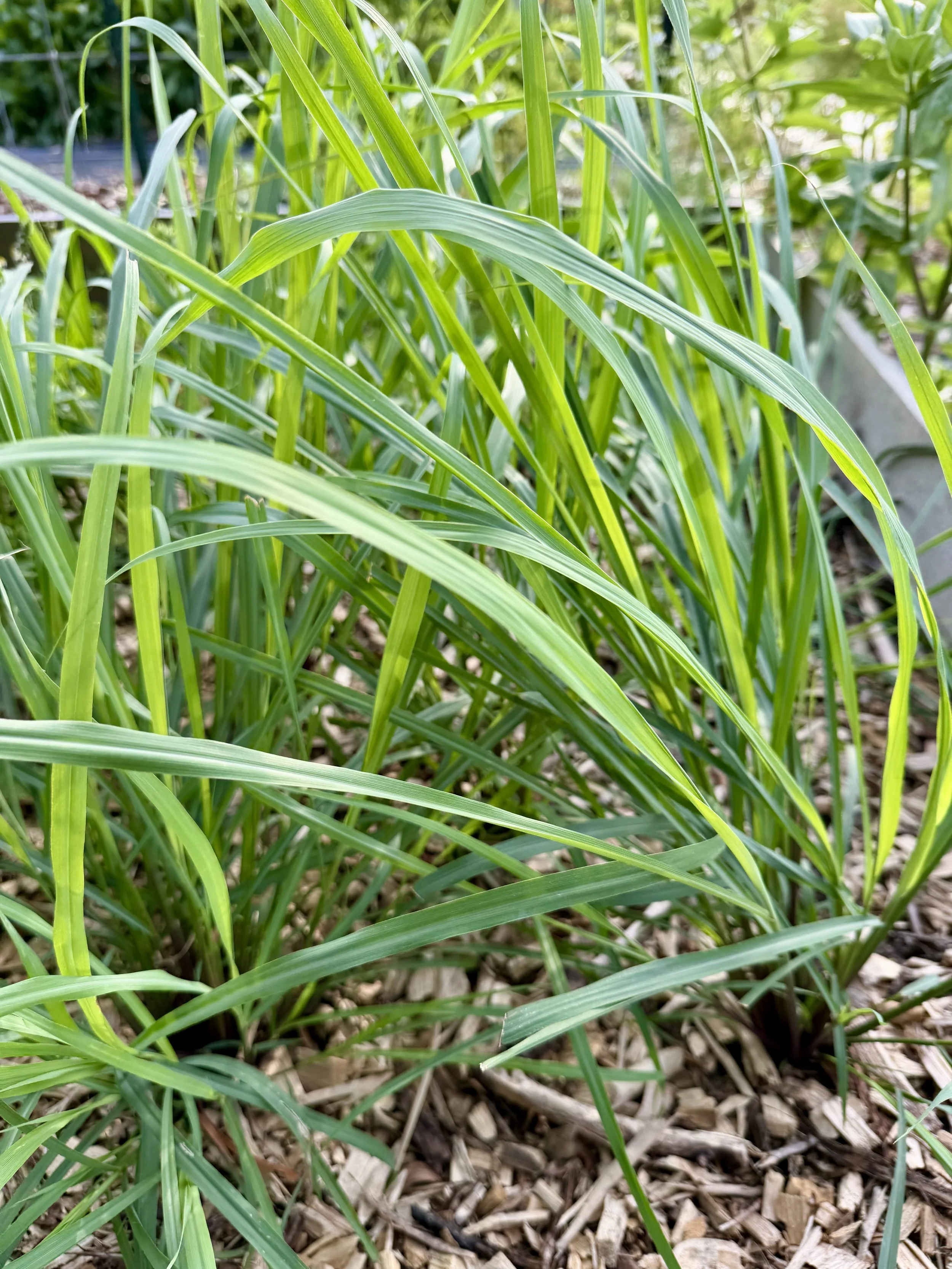
Lemongrass, cymbopogon flexuosus, is a striking ornamental herb grown for its tall, arching foliage and unmistakable citrus fragrance. Dense clumps of slender green leaves create dramatic texture in containers, herb gardens, and mixed borders while providing a steady harvest for culinary use.
The fresh lemon scent intensifies when leaves are brushed or harvested, making lemongrass as enjoyable in the garden as it is in the kitchen. Its upright habit pairs beautifully with flowers and vegetables, adding structure and movement throughout the growing season.
Heat-loving and fast growing, lemongrass thrives in full sun and fertile, well-drained soil. Regular harvesting encourages fresh growth, and plants perform especially well during the warmest months of summer.
Seeds will collect in your Trug until you checkout.
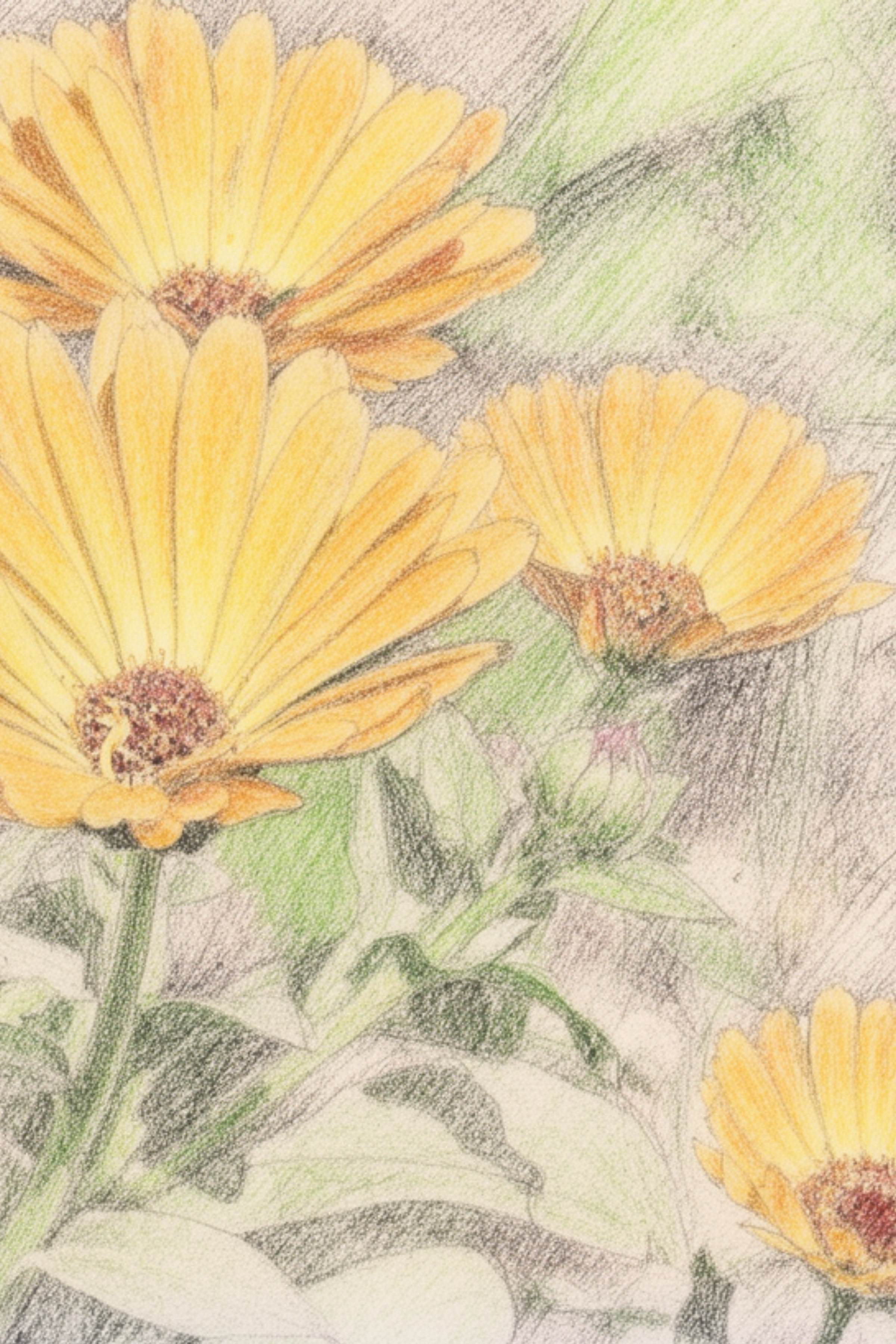
Calendula officinalis is one of the most rewarding flowers in the garden, producing abundant blooms over a remarkably long season. Bright flowers rise above fresh green foliage from late spring until frost, bringing warmth and color to borders, kitchen gardens, and cutting beds.
Both ornamental and useful, calendula attracts pollinators while providing edible petals and flowers commonly used in herbal preparations. Its relaxed habit blends naturally among vegetables, herbs, and cottage garden flowers, creating a garden that feels productive as well as beautiful.
Easy to grow from seed, calendula thrives in full sun and average soil. Regular picking and deadheading encourage continuous flowering, though some blooms may be left to set seed for future generations of plants.
Seeds will collect in your Trug until you checkout.
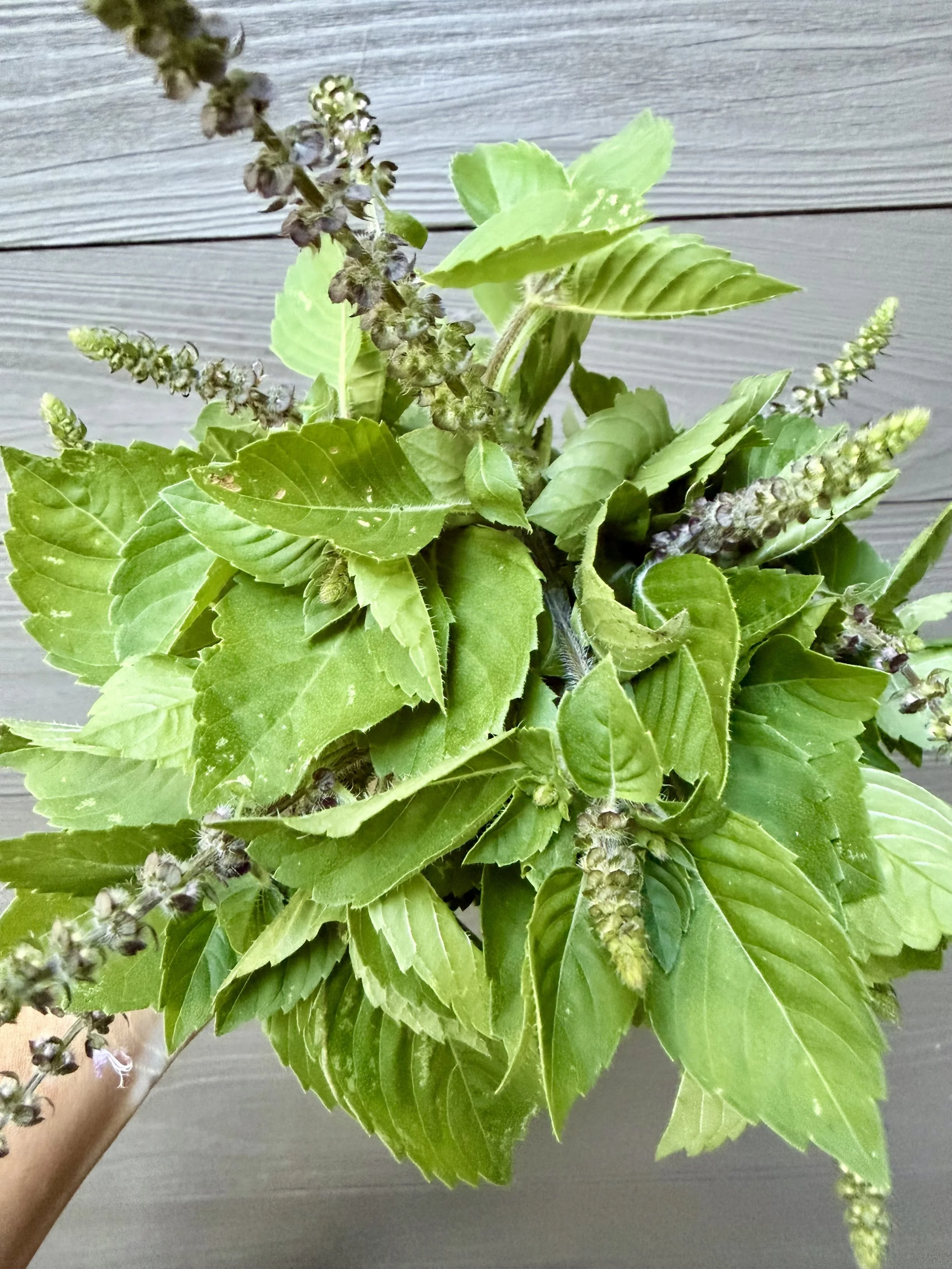
Ocimum tenuiflorum, commonly known as tulsi or holy basil, is a treasured herb grown for its aromatic foliage, pollinator-friendly flowers, and long history of use in herbal traditions. Plants produce branching stems clothed in fragrant leaves with notes of clove, spice, and basil.
Throughout summer, upright spikes of soft purple and white flowers attract bees, butterflies, and other beneficial insects, bringing life and movement to the garden. Tulsi combines beautifully with vegetables, flowers, and other culinary herbs while adding both beauty and fragrance to planting schemes.
Fast-growing and heat-loving, tulsi thrives in full sun and well-drained soil. Regular harvesting encourages bushier plants and continuous production. Flowers may be left for pollinators or harvested for tea and herbal preparations.
Seeds will collect in your Trug until you checkout.
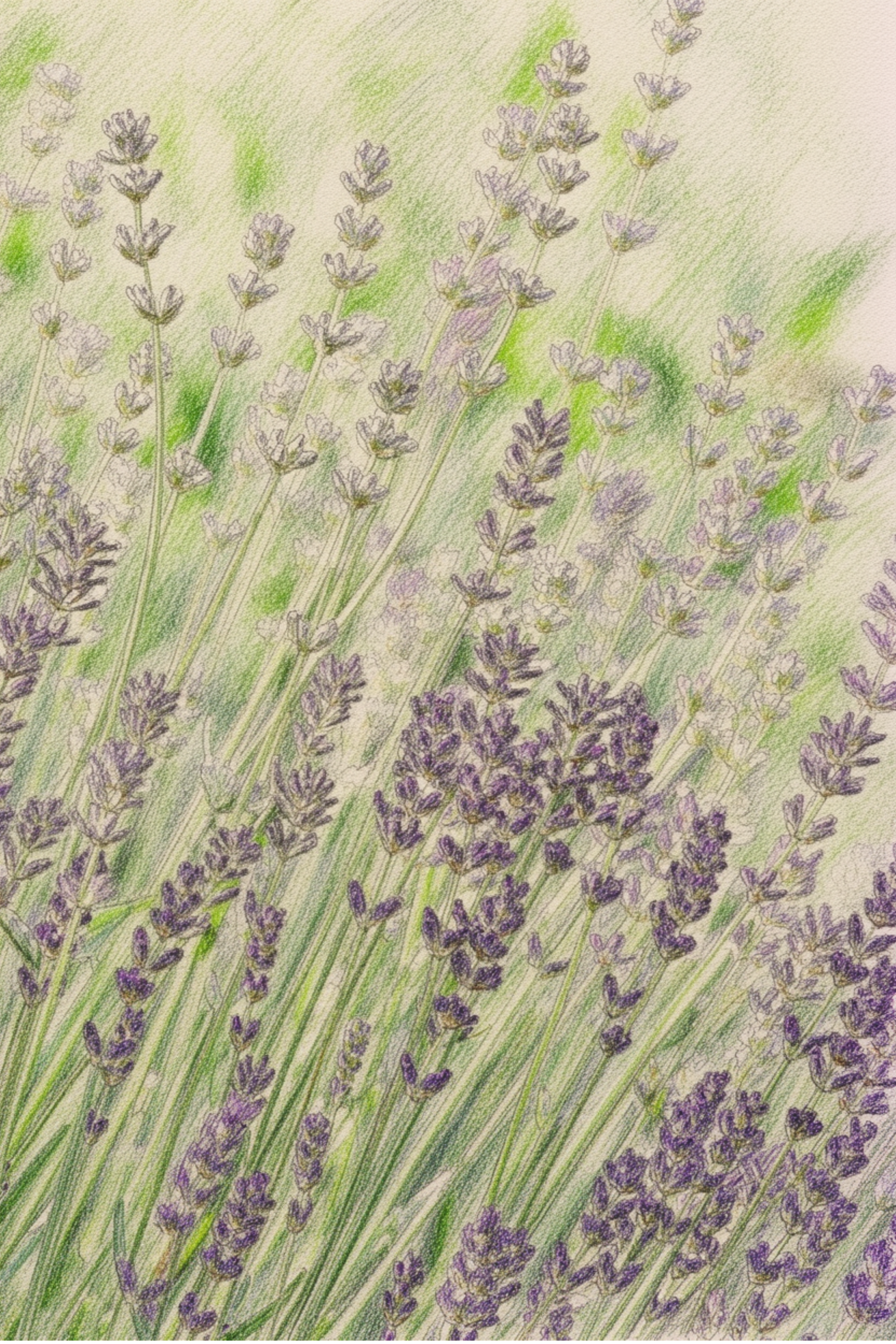
Lavandula angustifolia ‘Munstead Strain’ is a classic English lavender prized for its fragrant foliage, soft purple flower spikes, and exceptional garden performance. Compact yet generous in bloom, it brings structure, fragrance, and pollinator activity to borders, herb gardens, and pathways.
Silvery-green foliage remains attractive throughout the season, while summer flowers attract bees, butterflies, and other beneficial insects in abundance. The blooms are excellent for fresh bouquets, drying, and crafting, and their fragrance lingers long after harvest.
Lavender thrives in full sun and sharply drained soil, where it develops into a long-lived, dependable garden plant. Avoid overly rich conditions and excess moisture, particularly during winter months. Light pruning after flowering helps maintain a tidy, compact shape.
Seeds will collect in your Trug until you checkout.
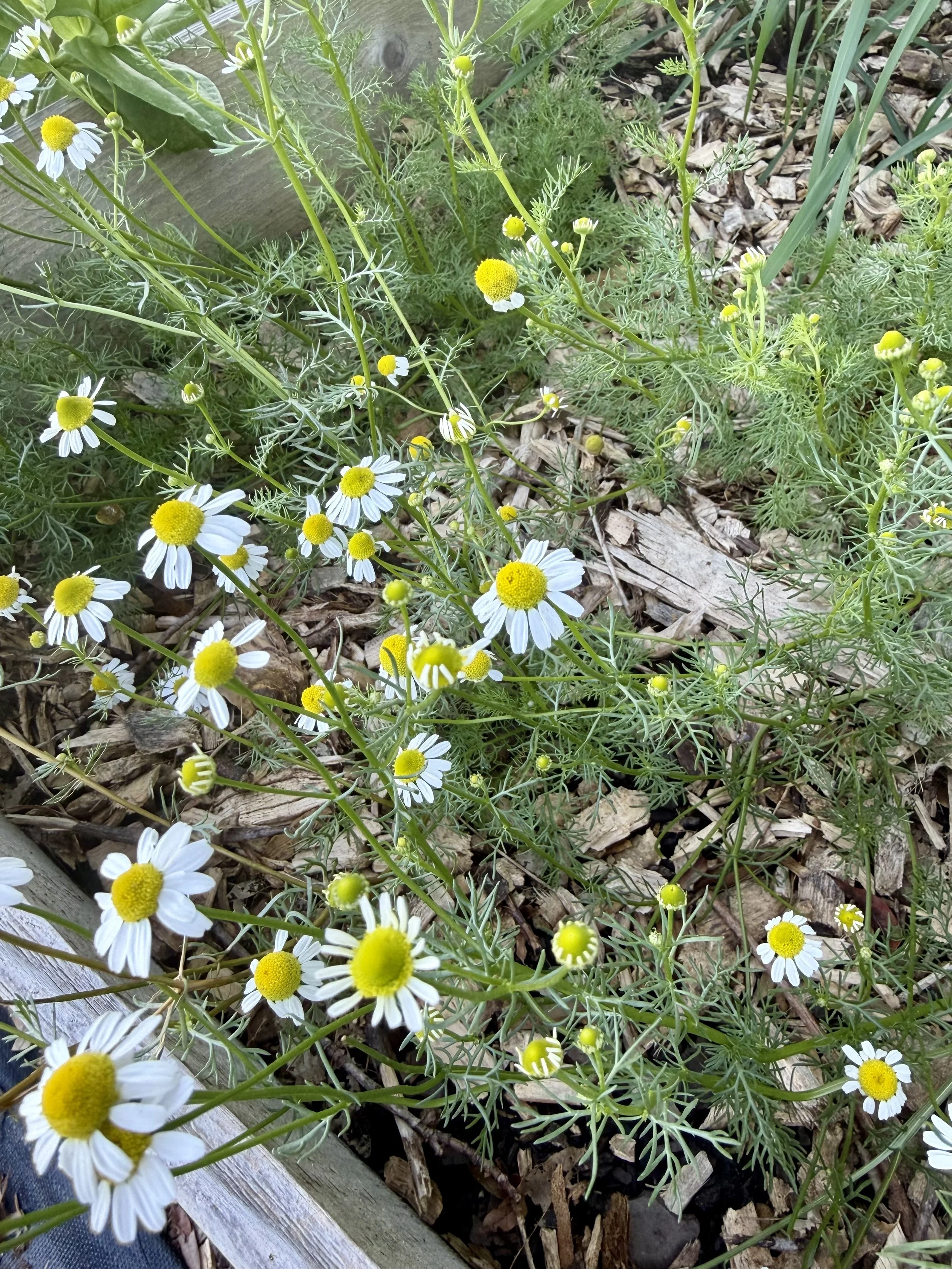
Chamomilla recutita, commonly known as German chamomile, produces masses of cheerful white flowers with sunny yellow centers atop delicate, feathery foliage. Both ornamental and useful, it brings a light, meadow-like quality to borders, herb gardens, and cutting beds.
Blooming continuously through the growing season, chamomile attracts pollinators while providing abundant flowers for fresh use or drying. The blossoms carry the sweet apple-like fragrance for which chamomile is famous and have long been valued for teas and herbal preparations.
Quick to grow and easy to maintain, chamomile prefers full sun and average, well-drained soil. Frequent harvesting encourages additional flowering, and plants often self-sow gently, returning year after year in favorable conditions.
Seeds will collect in your Trug until you checkout.
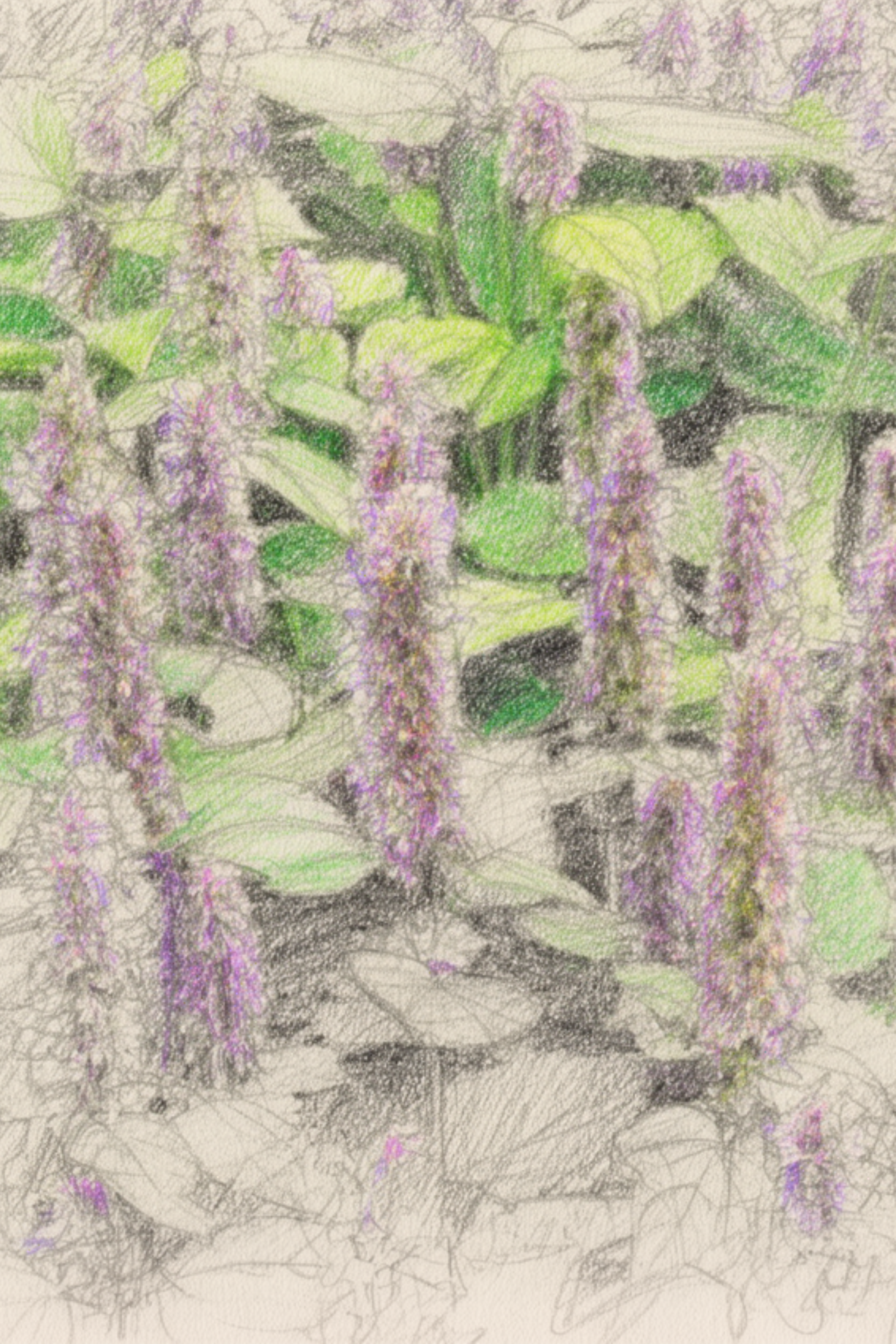
Agastache foeniculum, commonly known as anise hyssop, is a beautiful and highly useful short-lived perennial herb grown for its fragrant foliage, long-lasting flowers, and exceptional value to pollinators. Upright spikes of lavender-purple blooms rise above aromatic leaves with a distinctive sweet anise scent.
Blooming for months during summer, anise hyssop attracts bees, butterflies, hummingbirds, and other beneficial insects in remarkable numbers. Its vertical form adds structure to borders and meadow plantings while blending naturally with both ornamental flowers and productive gardens.
Drought tolerant once established and easy to grow from seed, agastache thrives in full sun and well-drained soil. Flower spikes may be harvested fresh or dried, while leaving some blooms to mature often encourages light self-sowing and continued pollinator activity.
Seeds will collect in your Trug until you checkout.
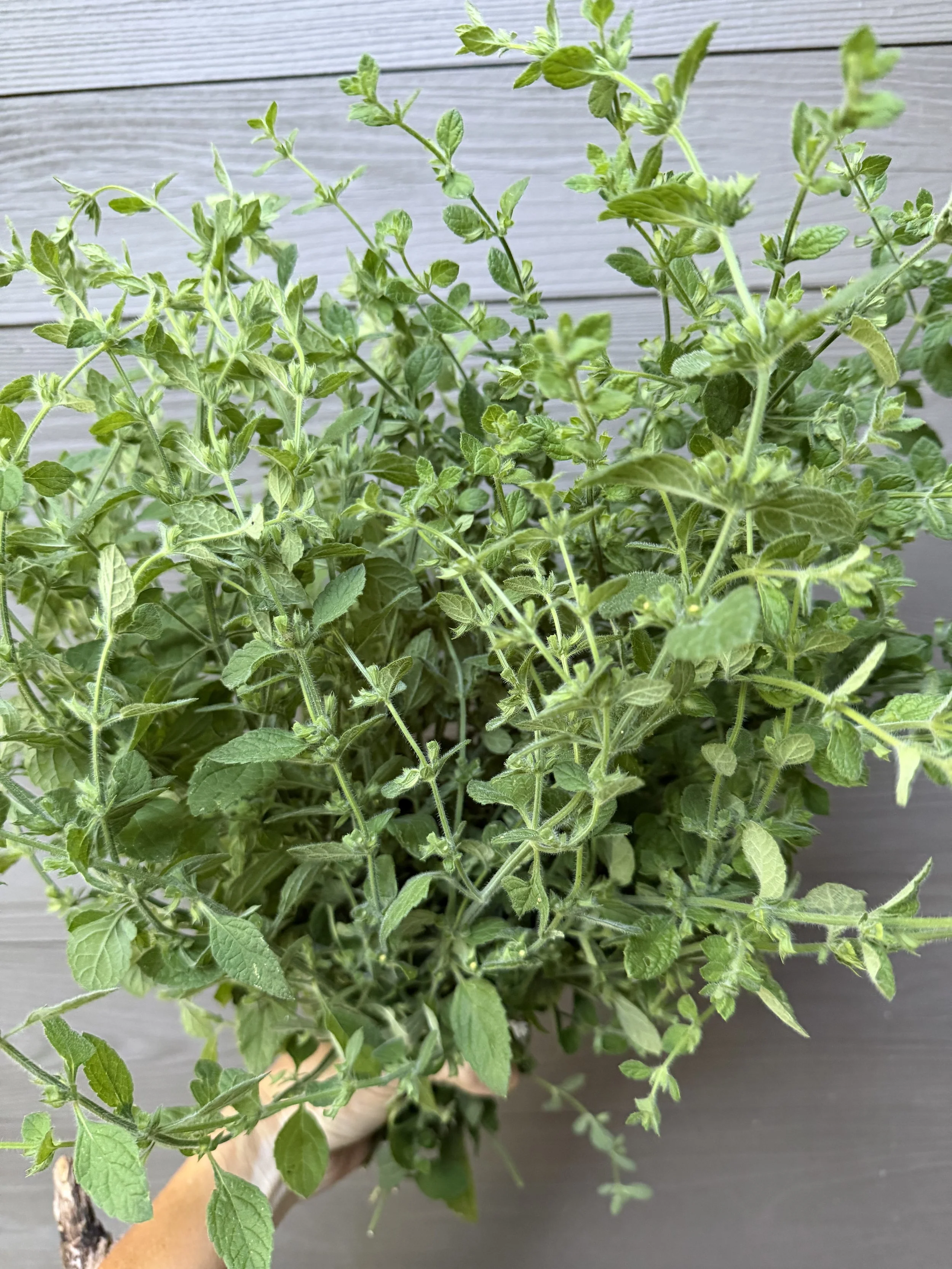
Melissa officinalis ‘Lemona’ is a particularly fragrant form of lemon balm, valued for its bright citrus scent, vigorous growth, and usefulness in both the garden and kitchen. Soft green leaves release a fresh lemon fragrance when brushed or harvested, making it a favorite for teas, herbal preparations, and summer drinks.
This hardy perennial forms dense mounds of textured foliage that bring freshness and movement to herb gardens, cottage borders, and kitchen garden plantings. Small white flowers appear in summer and are highly attractive to bees and other beneficial pollinators.
Easy to grow and remarkably forgiving, ‘Lemona’ thrives in average garden soil and full sun to partial shade. Regular harvesting encourages fresh new growth throughout the season. Plants may self-seed lightly if flowers are left to mature.
Seeds will collect in your Trug until you checkout.
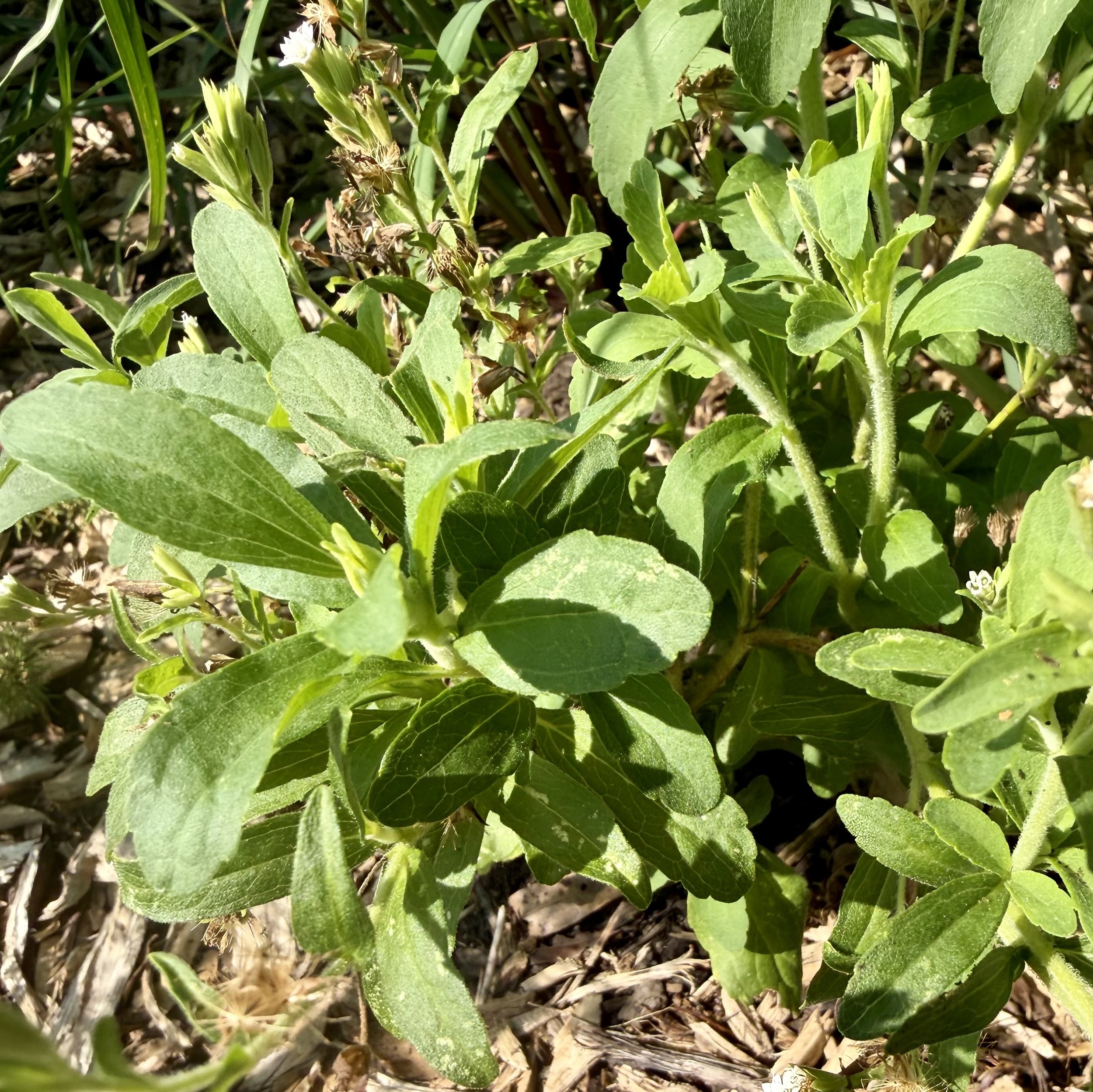
Stevia rebaudiana is a tender herb grown for its naturally sweet leaves, which have been used for generations as a plant-based sweetener. Attractive branching plants produce bright green foliage and clusters of small white flowers late in the season.
Beyond its culinary value, stevia earns a place in ornamental plantings with its tidy habit and fresh appearance. It combines easily with herbs, vegetables, and flowering annuals while providing a steady harvest throughout summer.
Stevia prefers full sun and well-drained soil with regular moisture during active growth. Frequent harvesting encourages branching and increased leaf production. In colder climates, plants are often grown as annuals or overwintered indoors.
Seeds will collect in your Trug until you checkout.