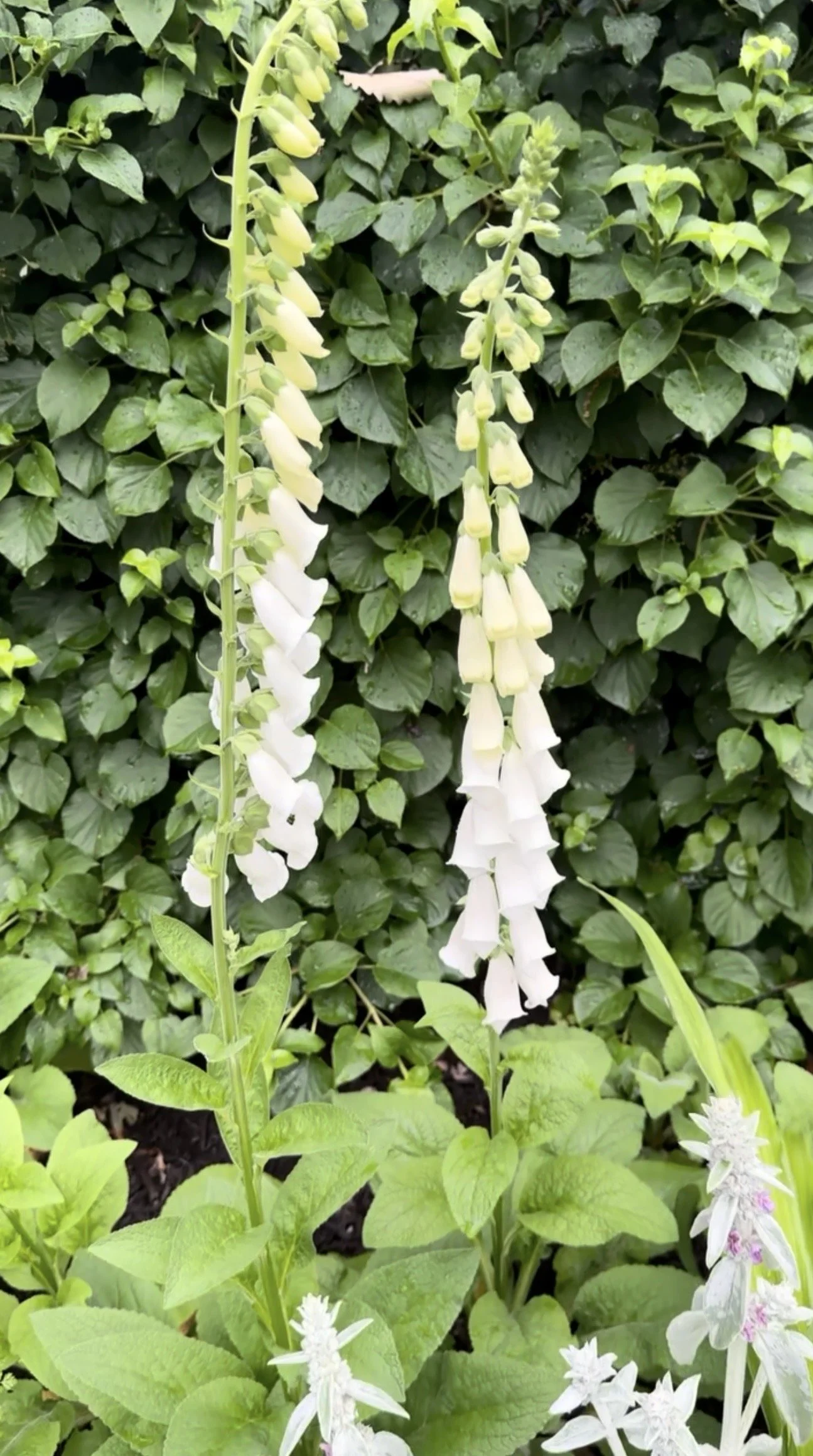
Foxglove ‘Snow Thimble’

$4.50

Digitalis purpurea

PRE-ORDER: Ships approximately mid-March 2026

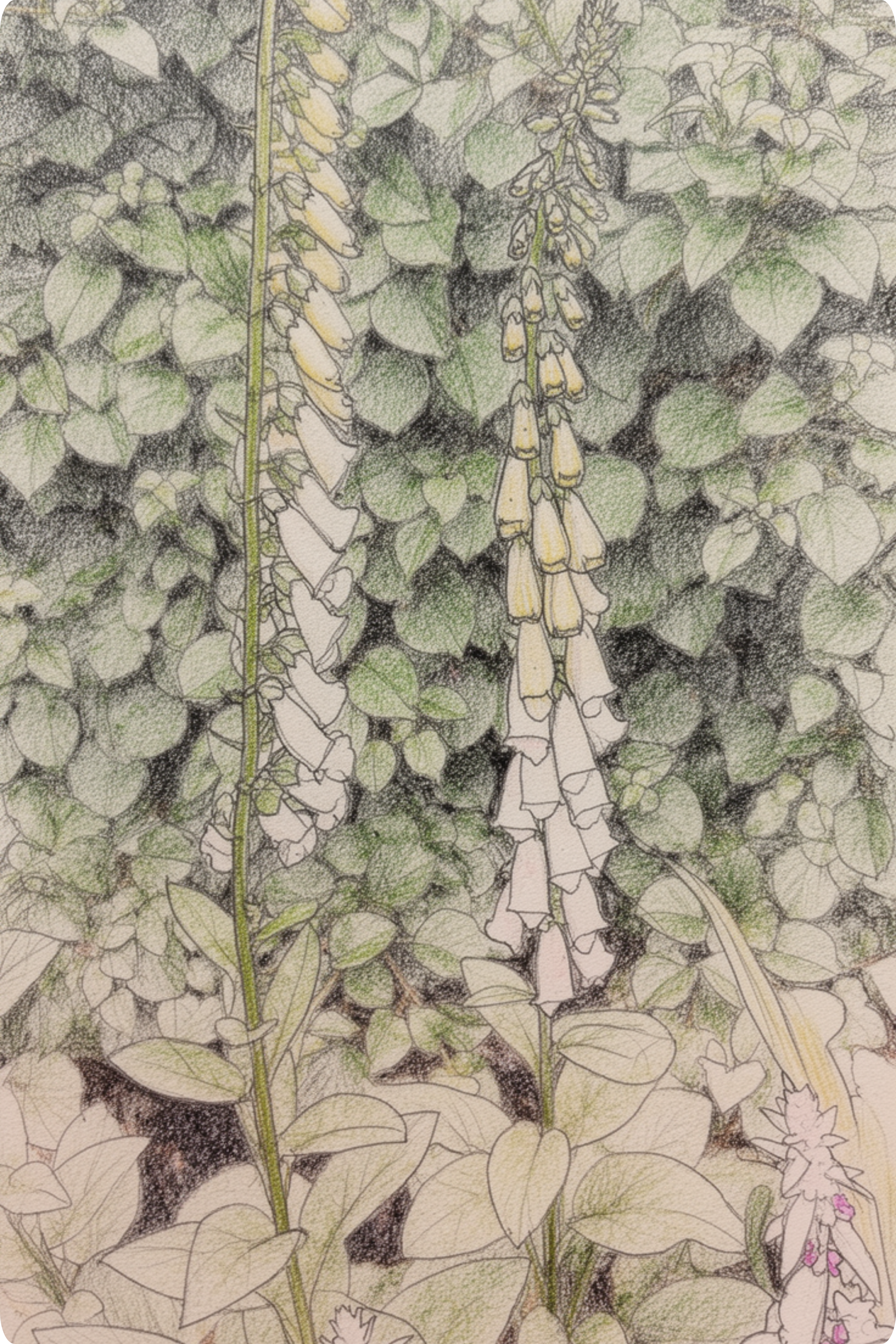
Foxglove ‘Snow Thimble’ is a refined white biennial selected for its tall, elegant spires of pure, unmarked blooms. Unlike many white foxgloves that develop lavender or purple spotting, this strain flowers consistently in clean white, creating a calm and luminous presence in the late spring and early summer garden.

Large, tubular flowers are held densely along upright stems above a basal rosette of softly textured green foliage. The vertical habit makes this foxglove especially effective at the back of borders, along woodland edges, or woven through mixed perennial plantings. Its white flowers are particularly striking against darker foliage and in evening light.

Easy to grow and reliable from seed, ‘Snow Thimble’ establishes quickly and overwinters as a rosette before flowering the following year. Where allowed to set seed, plants may gently self-sow, maintaining a natural rhythm in the garden. Stems are suitable for cutting and are highly attractive to pollinators, especially bees.

Seeds will gather in your Trug until you’re ready to check out.

Digitalis purpurea

PRE-ORDER: Ships approximately mid-March 2026

Foxglove ‘Snow Thimble’ is a refined white biennial selected for its tall, elegant spires of pure, unmarked blooms. Unlike many white foxgloves that develop lavender or purple spotting, this strain flowers consistently in clean white, creating a calm and luminous presence in the late spring and early summer garden.

Large, tubular flowers are held densely along upright stems above a basal rosette of softly textured green foliage. The vertical habit makes this foxglove especially effective at the back of borders, along woodland edges, or woven through mixed perennial plantings. Its white flowers are particularly striking against darker foliage and in evening light.

Easy to grow and reliable from seed, ‘Snow Thimble’ establishes quickly and overwinters as a rosette before flowering the following year. Where allowed to set seed, plants may gently self-sow, maintaining a natural rhythm in the garden. Stems are suitable for cutting and are highly attractive to pollinators, especially bees.

Seeds will gather in your Trug until you’re ready to check out.

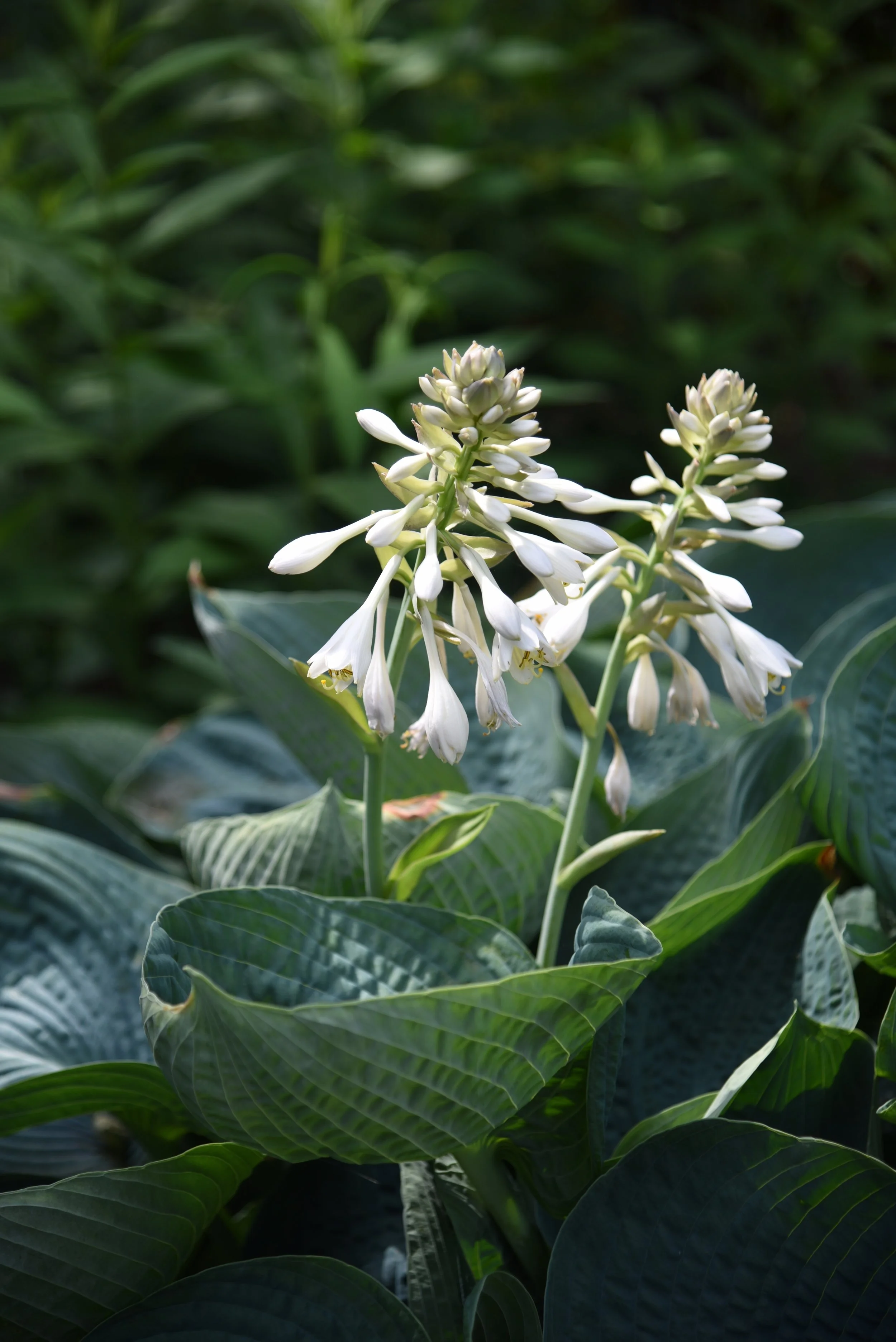
Hosta ‘Abiqua Drinking Gourd’ Hosta ‘Abiqua Drinking Gourd’ Hosta ‘Abiqua Drinking Gourd’ Hosta ‘Abiqua Drinking Gourd’
Bundle Size:
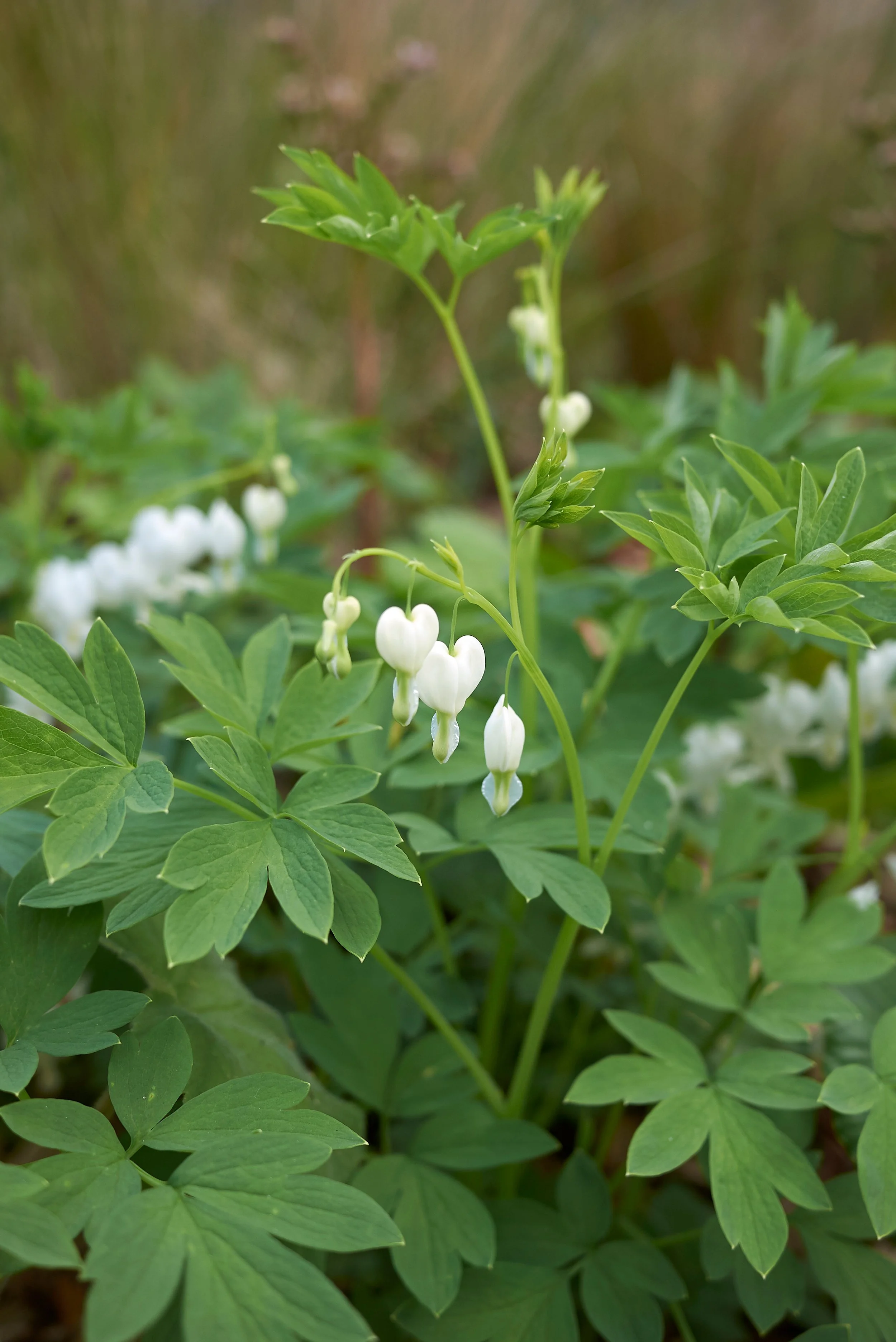
Dicentra Spectabilis 'Alba' Dicentra Spectabilis 'Alba' Dicentra Spectabilis 'Alba'
Bundle Size:

Product Details

  • Lifecycle: Biennial

  • Hardiness Zones: 4–8

  • Mature Size: 3–4 ft tall × 18–24 in wide

  • Sun: Full sun to partial shade

  • Soil: Average, well-drained, consistently moist

  • Bloom Season: Late spring to early summer

  • Flower Color: Pure white

  • Approximate Seeds Per Packet: 300

USDA Zones: 4–8 (biennial)

  • Overwinters reliably as a rosette in Zones 4–8

  • In Zones 9+, may perform as a cool-season annual

  • Requires winter chill to flower properly

Growing Guide

Sowing Depth
Surface sow or barely cover seed. Press gently into the soil; light aids germination.

Germination Time
Approximately 14–21 days

Starting Indoors
Sow indoors in late winter using a fine seed-starting mix. Maintain temperatures around 68°F (20°C) and keep soil evenly moist but not wet. Once germinated, move seedlings to cooler, bright conditions to encourage sturdy growth.

Starting Outdoors
Direct sow from late spring through midsummer in a nursery bed. Thin seedlings once established. Plants will overwinter as basal rosettes and flower the following season.

When to Set Outside
Transplant in spring after the risk of hard frost has passed.

Placement & Cultivation

Plant toward the back of borders, along woodland edges, or among shrubs where height and vertical structure are needed. Afternoon shade is beneficial in warmer climates. Mulch to conserve moisture and keep roots cool.

Final Spacing
18–24 inches

Water Requirements
Moderate — approximately 1 inch per week during active growth.

Soil pH
Neutral to slightly alkaline

Fertilizer
Incorporate compost prior to planting. Additional feeding is rarely necessary.

Pests & Diseases
Monitor for slugs and snails, particularly on young plants. Use iron phosphate pellets, crushed eggshells, or diatomaceous earth as needed.

Cut Flower Use
Harvest when the lower flowers on the spike begin to open.