My Biggest Failure
There’s a tendency, especially when documenting a place over time, to show only what works. What thrived. What came together. But gardens don’t actually teach us much if we only pay attention to our successes.
My biggest failure at Hilltop so far — and maybe the most painful — began in early April of 2024.
A storm came through and blew over several small trees near the area that would eventually become the potager. I’d had my eye on those trees for a while. I knew they were sick, and I also knew they were shading an incredible stand of hostas that had been growing there for decades. They were mature, beautiful, and well-established — the kind of plants you don’t replace easily, or casually.
I had always assumed that when the trees came out, I would first have a plan. I knew that space would get much more eastern sun, and I knew the hostas would struggle. I wanted to wait until I could transplant them thoughtfully. But the storm changed the timeline. Suddenly, the decision wasn’t theoretical — it was immediate.
I hired a tree company to remove the damaged trees, then brought in a landscaping crew to help dig and move the hostas. By that point, they had already leafed out. It was early April — not ideal, but the choice was stark: move them and hope, or leave them to fail where they were.
We replanted them beneath the oak and elm trees nearby, expanding an existing shade area. I amended the soil with topsoil, compost, and mushroom compost, then mulched heavily. The move began around April 19th, 2024. At first, they looked fine.
Then June arrived.
It was one of the hottest Junes I can remember. We received rain only twice that month — brief, insufficient bursts. On paper, the rainfall totals might not look catastrophic, but anyone who gardens knows averages lie. Plants don’t drink monthly totals. They drink consistency.
And on top of the drought, we had a double brood of cicadas emerge that year. Guess the first place they emerged from. You got it - the new hosta area.
There was nothing I could do about the cicadas, but I watered constantly. Every day, or every other day. But without established irrigation or drip lines in place yet, I was chasing heat with a hose. By July, I could see what was happening. The hostas were fading. Leaves scorched. Energy gone.
I hoped — irrationally, maybe — that they might rebound in 2025. A few of the largest clumps survived. Many didn’t. Those planted closer to the lawn edge never stood a chance.
It broke my heart. Honestly, it still breaks my heart a bit.
These were hostas that had been growing beautifully for over twenty years. Losing them felt like losing history. And it taught me something uncomfortable but important: even when you do your best, timing and infrastructure matter. Care doesn’t always compensate for conditions.
For me the lesson, though, isn’t despair. It’s adaptation.
That area is changing. I’ve since added drip irrigation. I’m learning what will actually thrive there. Ferns are settling in. Hellebores are holding their own. I’ve added anemones, brunnera, columbine — and I’ll continue to build a more diverse, resilient woodland understory over time.
It won’t be hosta-dominant anymore. And maybe that’s okay. Even though I love how it looked for a brief time.
Gardens really can’t be about preserving things exactly as they were. Even the most historic and iconic gardens adapt and change. They’re about paying attention, responding honestly, and allowing space to evolve — even when the evolution comes with loss.
This was my biggest failure so far (don’t worry, I know there are more to come). And it’s also one of the clearest teachers I’ve had.
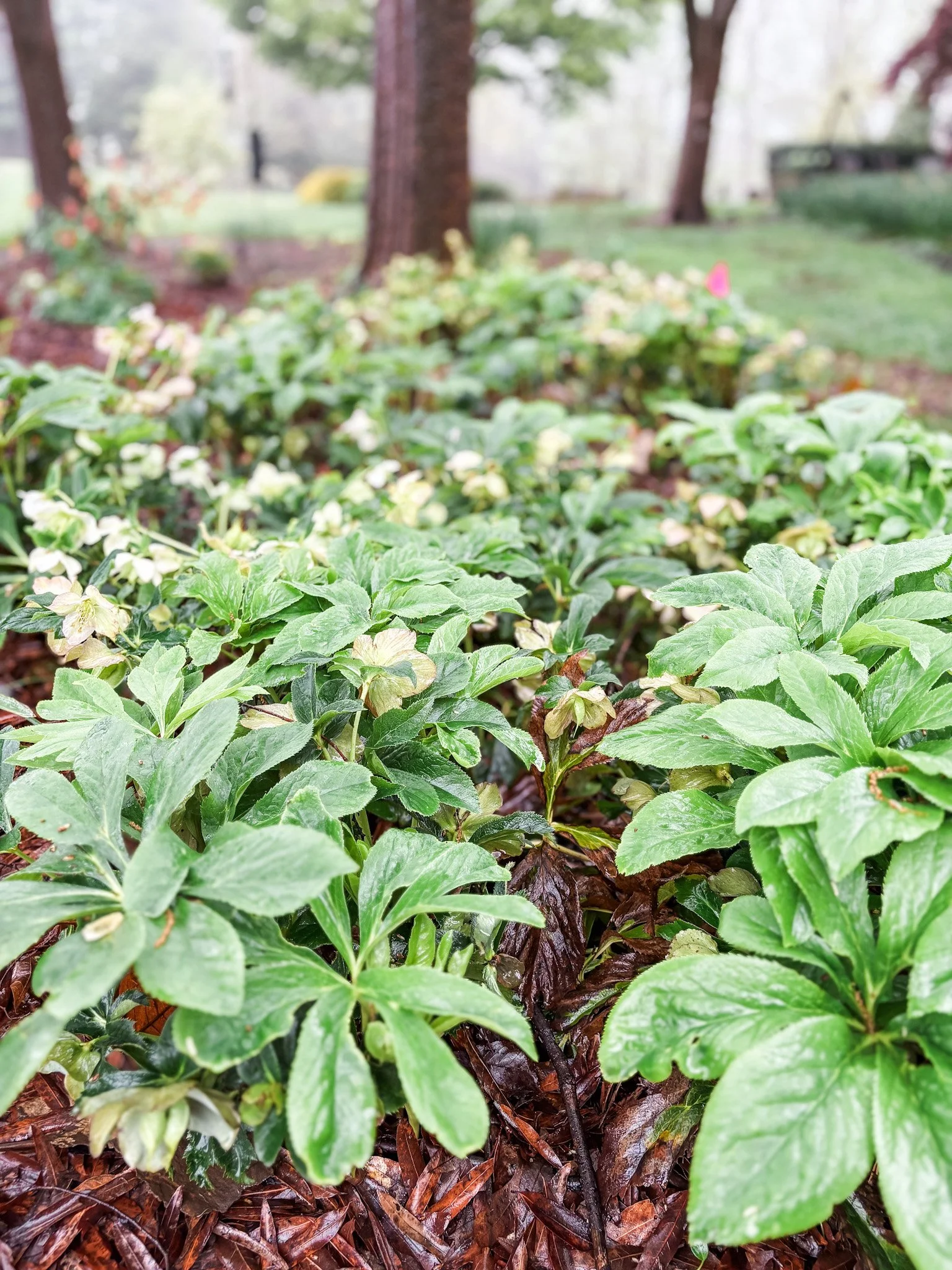
Hellebores in the ‘Elm Bed’ at Hilltop