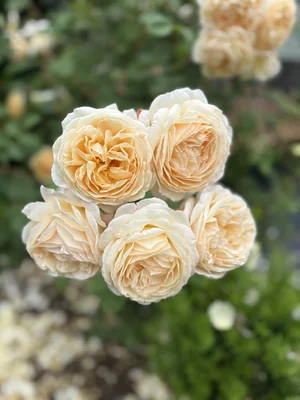
Planting Bare Root Peonies: A Step-by-Step Guide
There are certain plants that change you.
For me, that plant was Duchess de Nemours.
It was the first peony I ever truly smelled — and I don’t mean leaning in close. I mean walking into the room and wondering what that fragrance was. A few blooms will light up an entire space with scent. It’s soft, luminous, almost citrusy — and completely unforgettable.
Duchess is now the centerpiece of my white garden. She is reliable. She is elegant. She is easy. And once you grow her, you understand why peonies have been loved for centuries.
If you’ve just received a bare root peony (or you’re thinking about planting one), here is exactly how to do it.

What Is a Bare Root Peony?
A bare root peony is a dormant root division, usually planted in fall but also available in early spring in some climates.
It will look unimpressive.
That’s normal.
What matters are the “eyes” — the small pink or white growth buds on the crown. Those are next year’s stems.
Step 1: Choose the Right Location
Peonies thrive in:
Full sun (6+ hours daily)
Well-draining soil
Air circulation
A permanent spot
Important: Peonies hate being moved. Choose wisely.
In my garden, Duchess anchors the center of a formal white bed. She gets full morning sun and soft afternoon light — and she performs beautifully.
Step 2: Dig the Proper Hole
Dig a hole:
About 12–18 inches wide
12–18 inches deep
Loosen the soil at the bottom. If your soil is heavy clay, amend with compost — but don’t overdo it. Peonies prefer rich but not overly fluffy soil.
Step 3: Plant at the Correct Depth (This Is Critical)
This is where most people go wrong.
The “eyes” should sit:
1–2 inches below the soil surface
No deeper
If planted too deep, peonies will grow leaves but refuse to bloom.
Set the root in the hole, spread roots gently, and backfill carefully.
Firm the soil lightly.
Water deeply.
Step 4: Do Not Mulch Heavily Over the Crown
Light compost is fine.
But thick mulch can bury the crown too deeply and prevent blooming.
In my garden, I keep the crown lightly exposed — just covered enough to protect, never smothered.
Step 5: Be Patient (Year One Is Establishment)
Bare root peonies may:
Produce a few blooms first year
Or focus entirely on root development
Duchess was generous early on — but even if yours waits, that’s normal.
By year two and three, you’ll have armfuls.
Why Duchess de Nemours Is So Special
Aside from her fragrance — which truly carries across a room — she is:
Extremely cold hardy
Disease resistant
Structurally strong
A reliable bloomer
Long-lived (decades)
She is not fussy or dramatic.
She simply shows up every spring and delivers.
In my white garden, she anchors everything else. When she blooms, the entire space shifts. The scent alone feels like an event.
When to Plant Bare Root Peonies
Best time:
Fall (September–November, depending on zone)
Spring planting is also possible, but fall establishes stronger root systems.
Aftercare
Water during dry spells the first season
Do not fertilize heavily
Cut foliage back after frost
Leave them undisturbed
Peonies reward stability.
A Final Word
There’s something grounding about planting a peony.
You are planting something that can outlive you.
Something that will bloom every year with almost no intervention.
Something that will perfume your home from across the room.
Duchess de Nemours was my first unforgettable peony — and she remains the heart of my white garden.
If you’re starting with bare roots this season, plant them correctly, give them patience, and let them settle in.
They will take it from there.