What the Garden Gives You That the Store Can’t
I think when people hear that you grow food at home instead of buying everything at the store, they imagine one of two things. Either you have an endless amount of time on your hands, or you possess some kind of magic—an innate ability to make things grow that other people simply don’t have.
Neither of those things are really true.
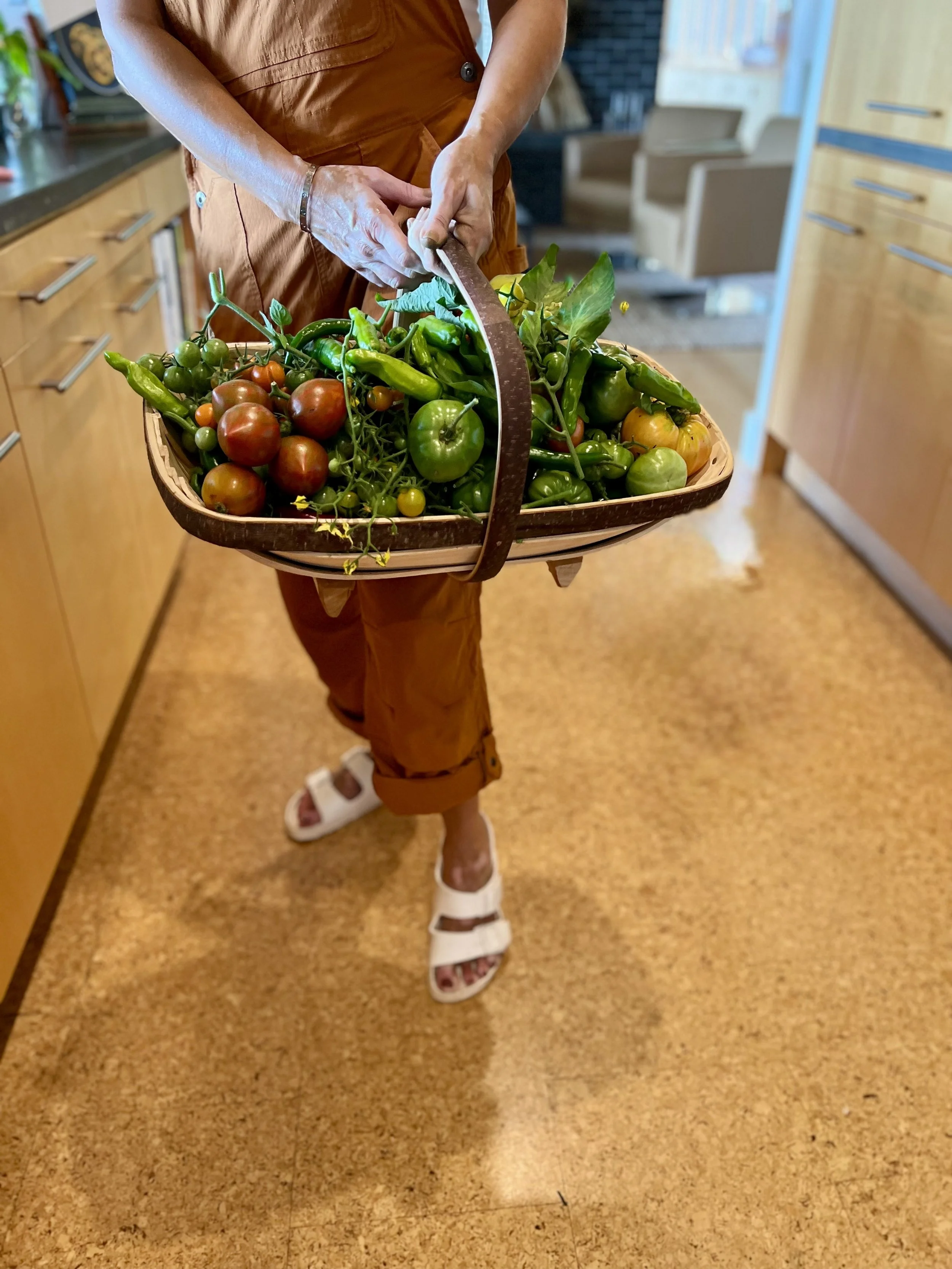
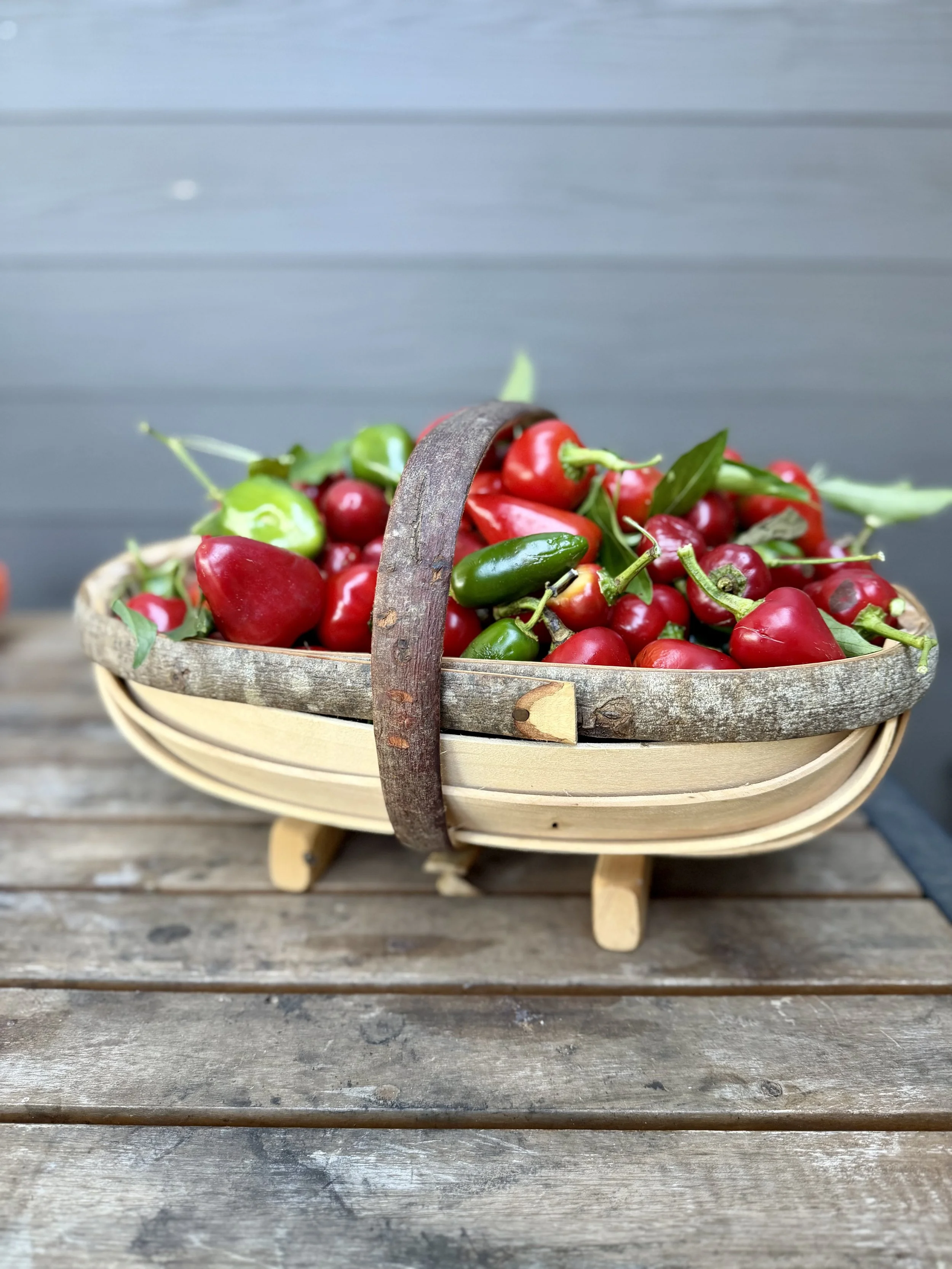
A mix of tomatoes and peppers harvested from the Hilltop potager
I’ve grown food in very small quantities and in much larger ones, and while a bigger garden does require more attention, I don’t think it asks for more time than most of the things we willingly give our time to. Watching a football game, scrolling online, going to events—none of those are “free” in terms of time. Gardening is just a different choice about where that time lives.
And as for magic? Every gardener has things that thrive and things that fail. In 2025, I thought my tomatoes were a personal disaster until I started hearing from people across multiple states who all said the same thing: it was a bad year for tomatoes. Some things will always sit outside our control, no matter how well we plan or prepare the soil.
At first glance, the obvious gift of growing at home seems to be variety—and that’s true. You can choose tomatoes you’ll never find at a grocery store. You can grow lettuce meant to be cut leaf by leaf, or corn that’s eaten minutes after it’s picked. But the deeper gift isn’t variety. It’s freedom.
Freedom to choose what you grow.
Freedom to try something new without committing to a whole aisle’s worth.
Freedom to walk outside and harvest dinner instead of making another trip to the store.
There’s also a sense of security that comes with it—not in a doomsday way, but in a grounded, steady one. When you preserve food, even in small amounts, you know you’ve created a buffer. A few jars of tomatoes mean you won’t need to buy them for a while. A freezer stocked with summer vegetables makes winter feel less stark. It doesn’t have to be excessive to be meaningful.
Every year, I end up with more cucumbers than I can reasonably eat fresh. I’ve learned to give them away, to pickle some, to ferment others, and to turn a glut into something useful instead of overwhelming. That process alone teaches you how abundance can be handled gently, without waste.
There’s also this moment that still catches me by surprise every time I’m in the grocery store. I’ll walk into the produce section and start doing a quiet mental inventory without even trying.
Nope, don’t need garlic.
Don’t need onions.
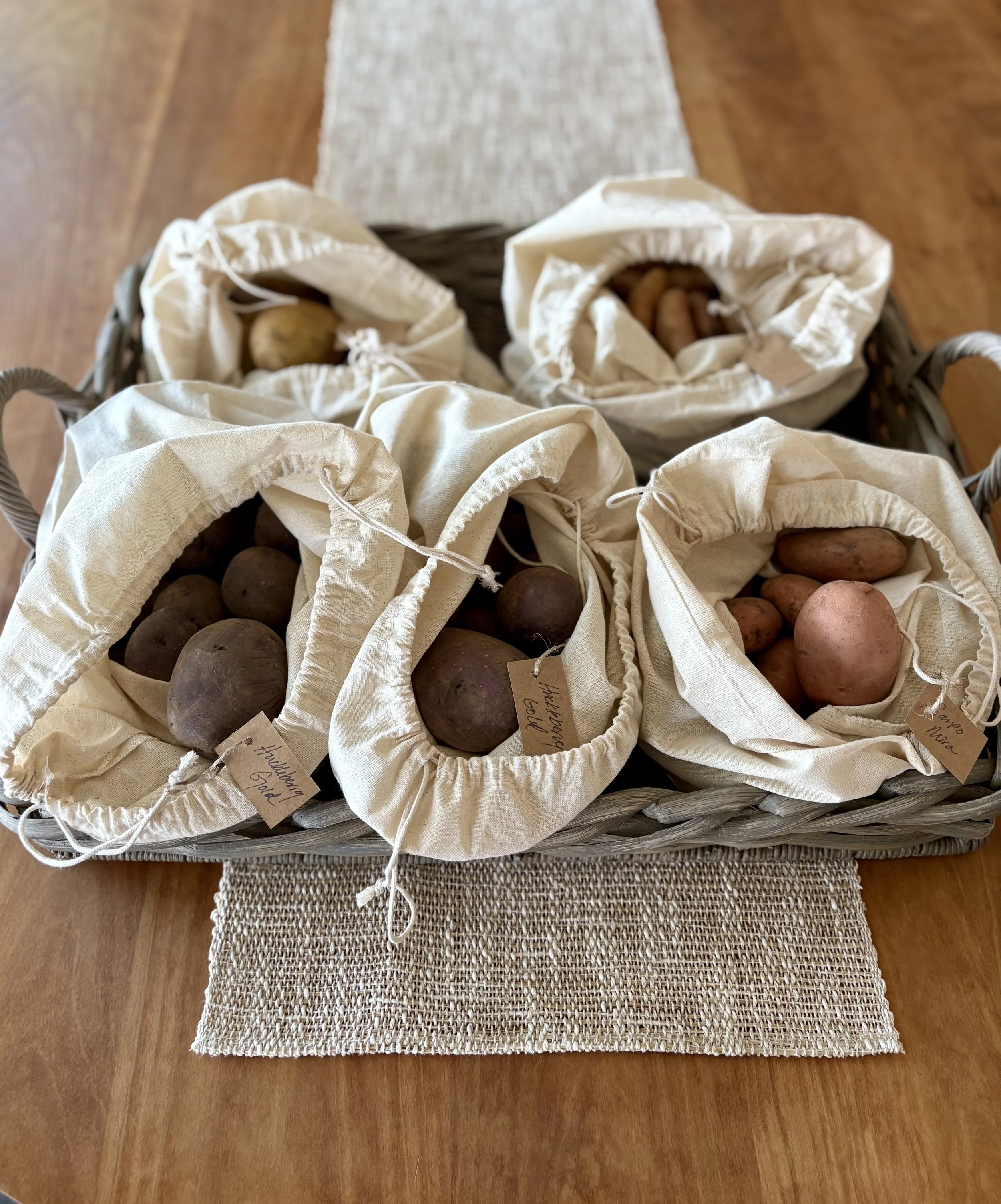
Already have potatoes.
Lettuce is covered.
And it keeps going like that—row after row. I don’t need this. I don’t need that.
It always amazes me how little I actually walk out of the store with now. Especially since I’ve started making things like yogurt, butter, and sour cream at home too. What used to be a full cart has slowly turned into a short list. And that feels deeply satisfying—not in a restrictive way, but in a calm, capable one. It’s the feeling of knowing what you have, knowing what you can make, and realizing you’re not as dependent as you once thought.
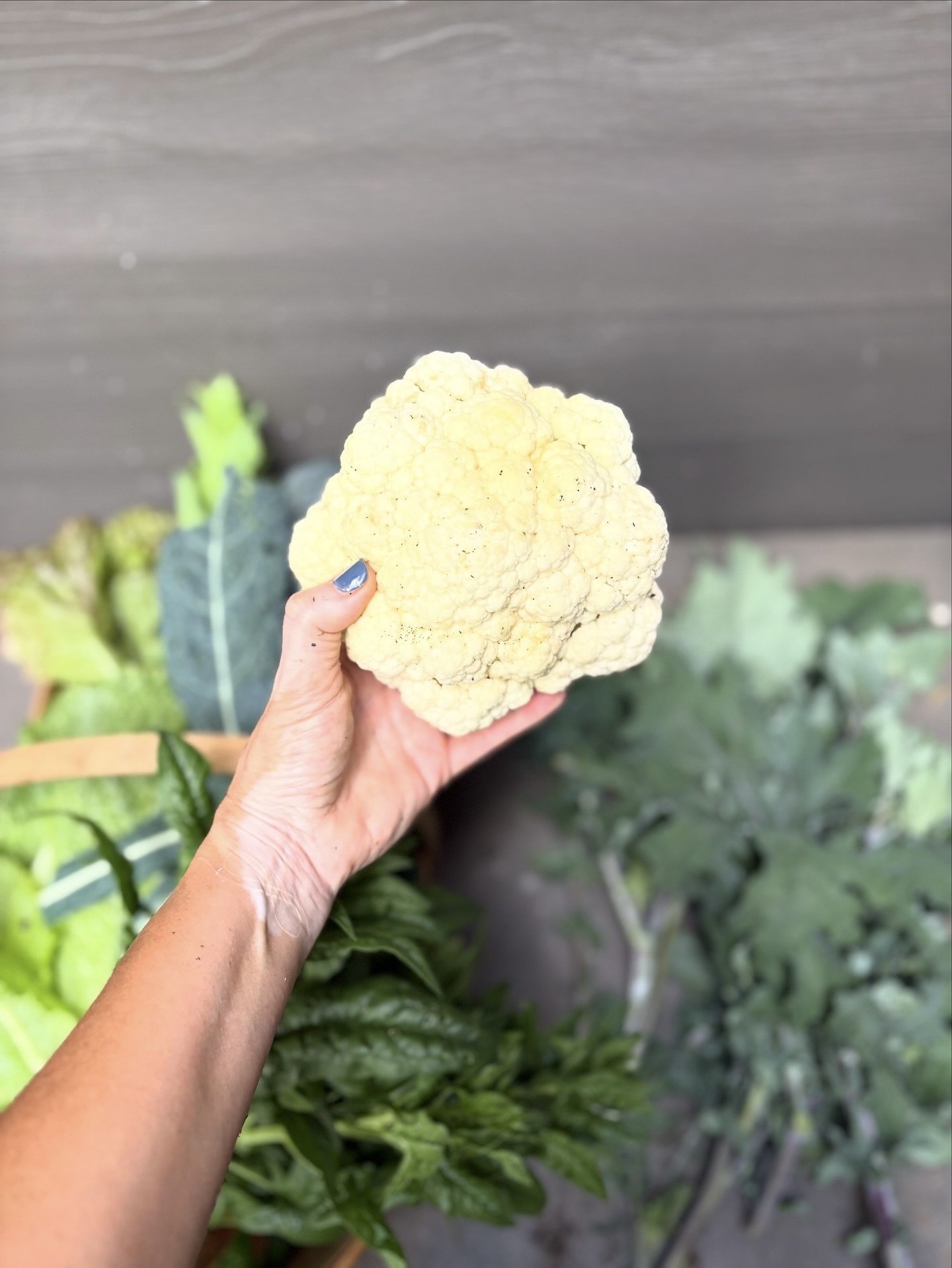
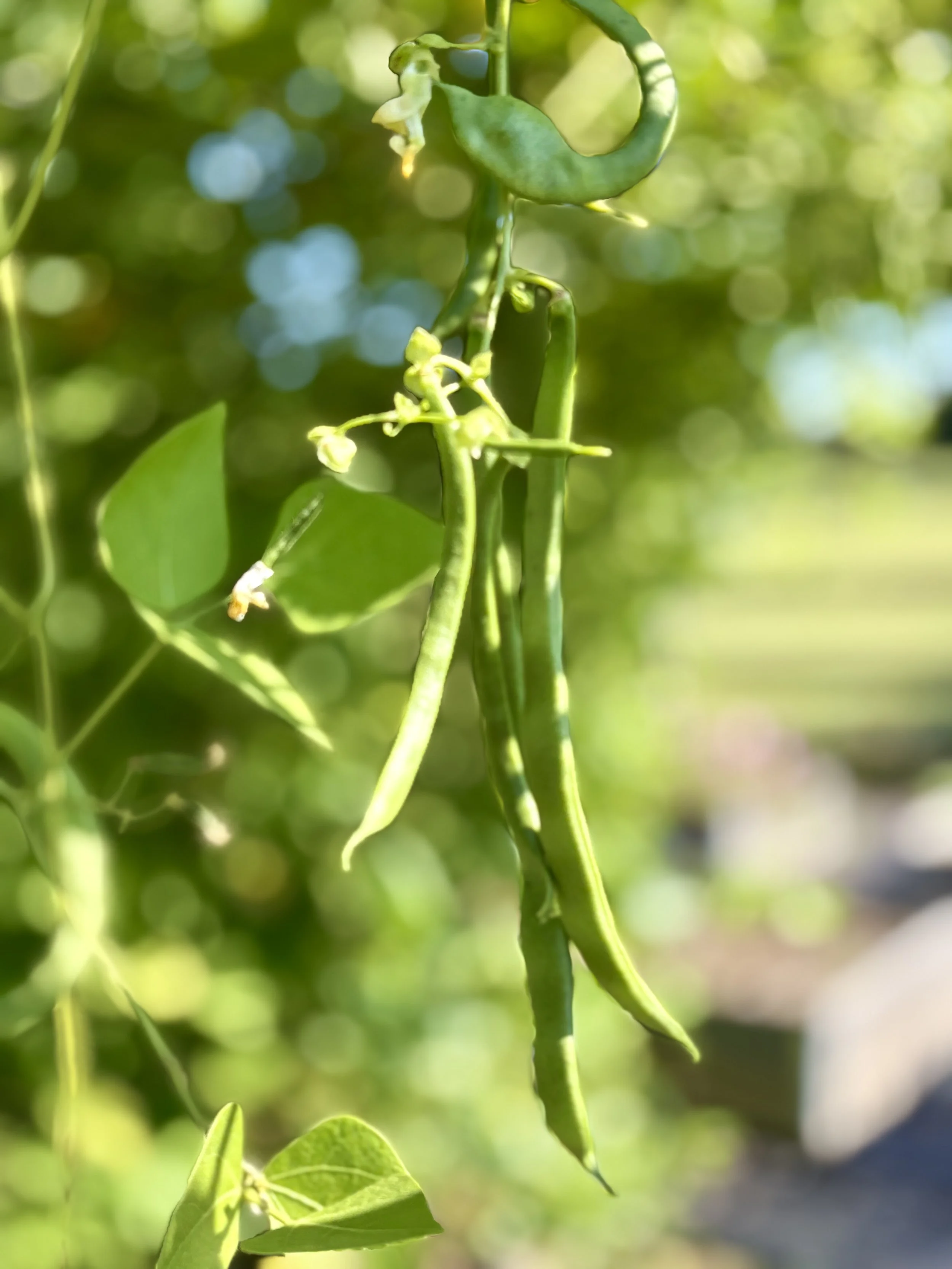
But beyond food, the garden gives me something that has nothing to do with productivity.
It gives me a sense of grounding and peace.
It connects me to the seasons in a way that can’t be replicated by shopping. You begin to notice how the light changes, how animals move differently throughout the year, how the soil behaves after rain or drought. You learn to appreciate winter, to anticipate spring, to savor summer, and to let go in the fall.
And finally, it gives connection.
Gardeners find each other. It’s almost inevitable. I remember being on jury duty, sitting in the back of the room, trying not to get caught whispering while we compared notes about what we were growing the following year. That kind of shared enthusiasm crosses age, background, and experience. It creates instant common ground.
The garden gives freedom, steadiness, patience, and connection—things the store was never designed to provide. And once you experience that, it changes how you see not just food, but time, care, and the way a home can support a life.